How's it done, Ciderman?

Well, in the beginning ...

Planting and Picking

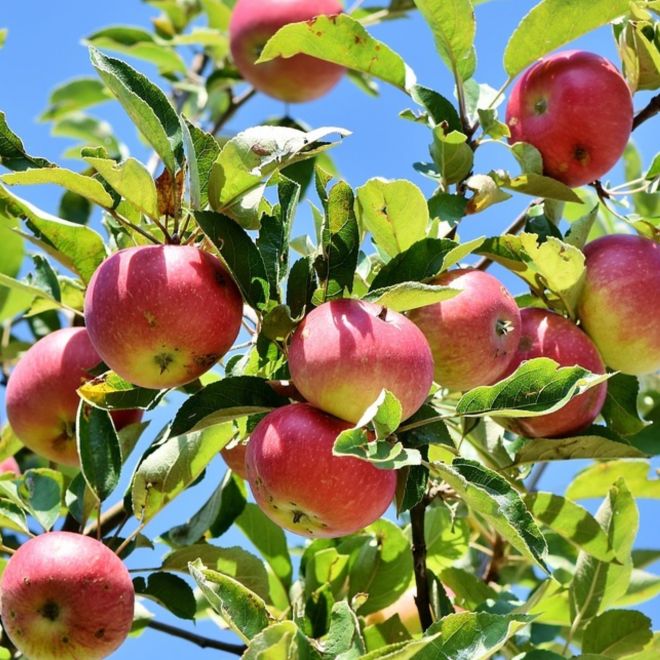
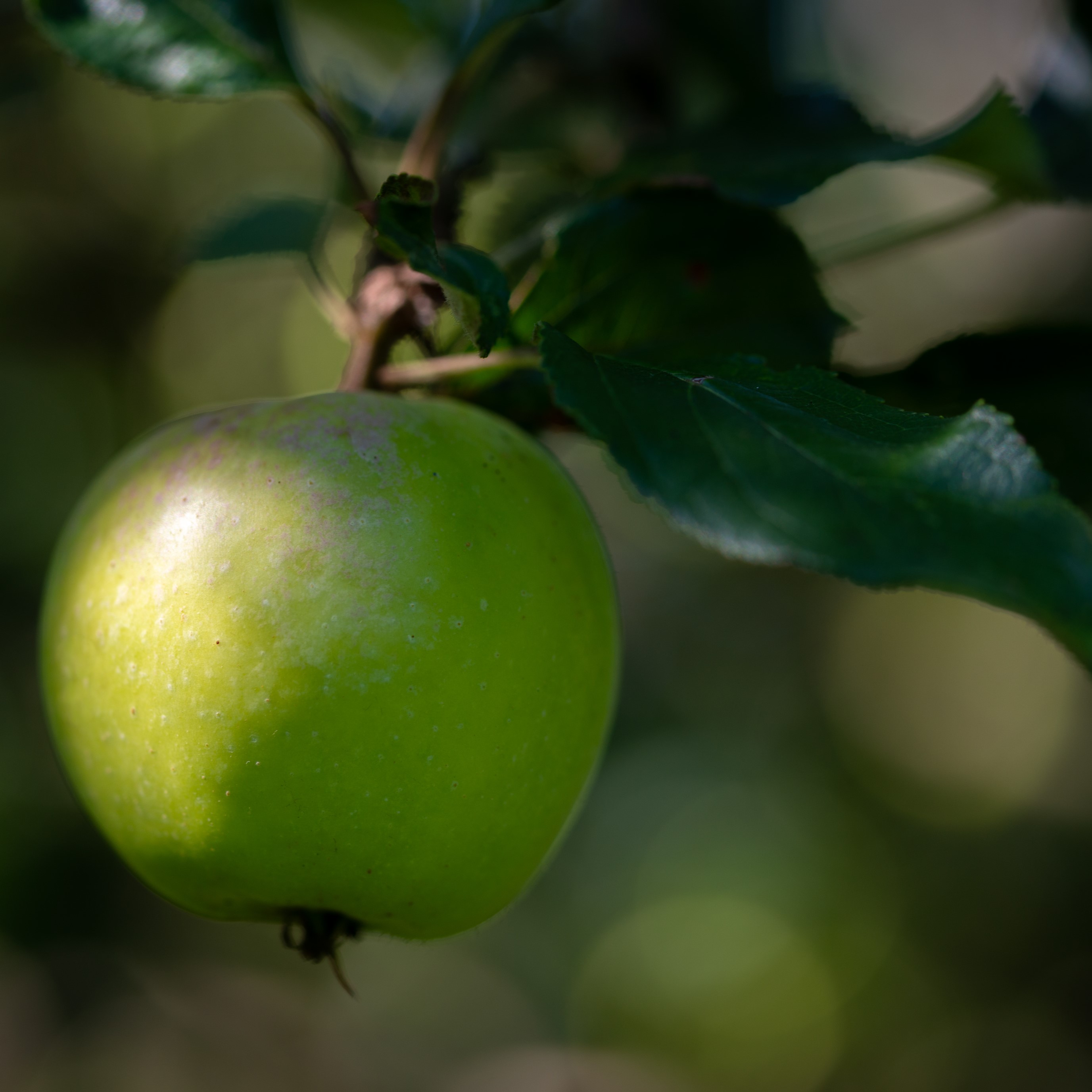
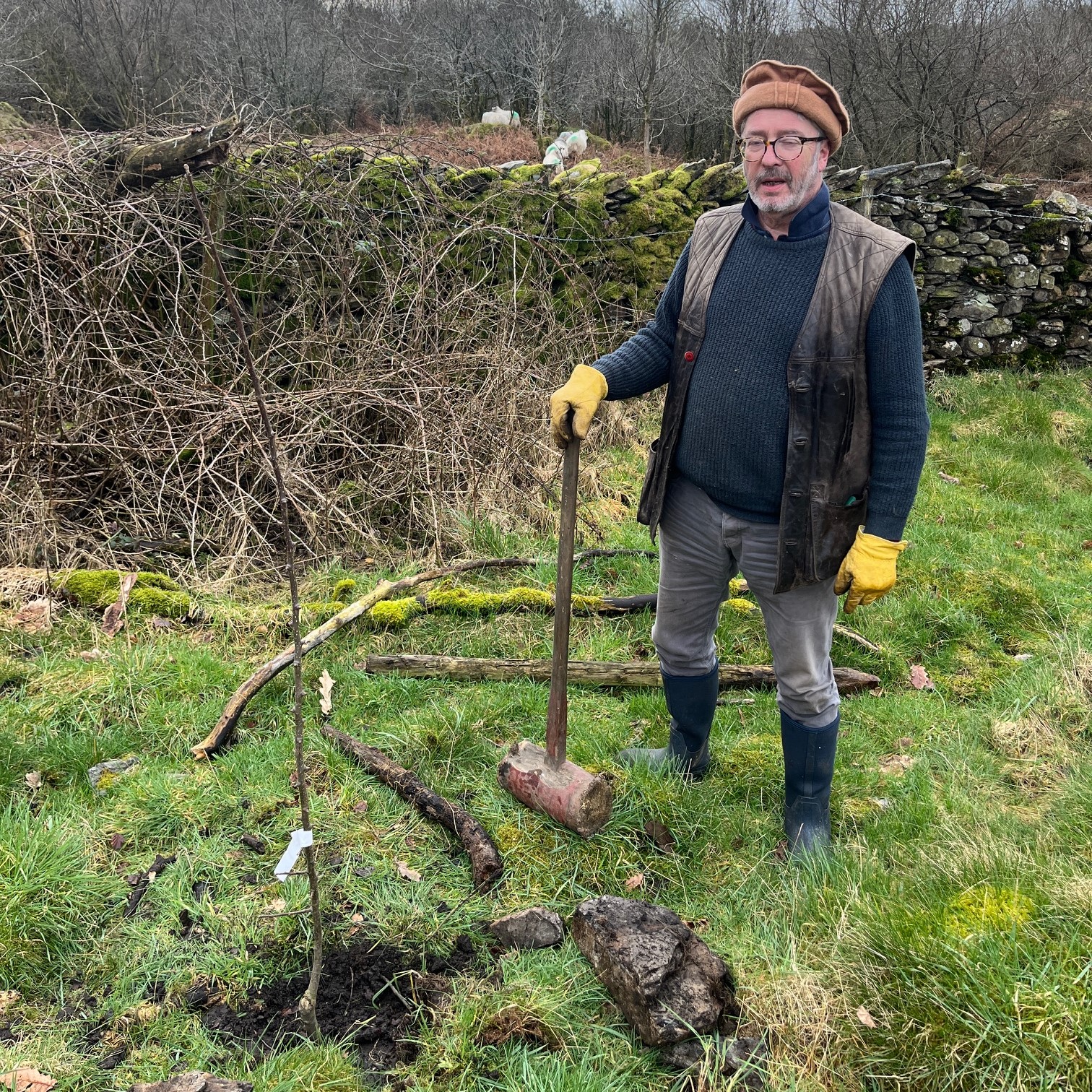
... it started with planting vintage varieties of Perry Pear and Cider Apple trees, many years ago.

You can see Ciderman's Fruit Tree Map here (lots of other trees planted but too many to display here).

Vintage varieties take longer to mature, but they have better flavour and hopefully they also live longer. Soon Ciderman was getting a small harvest.

The picking season lasts from early August, for the earliest fruit, to November.
Want to experience the harvest? Reach out to Ciderman.
Got apples or pears to spare? TELL CIDERMAN! We can make sure they aren't wasted!

There's a commission to be had in Perry, Cider or fresh juice. Ciderman can pick them or you can bring them to Broughton Bank. If you bring them there's more commission.
Then, after the picking there's...

Crushing and Juicing

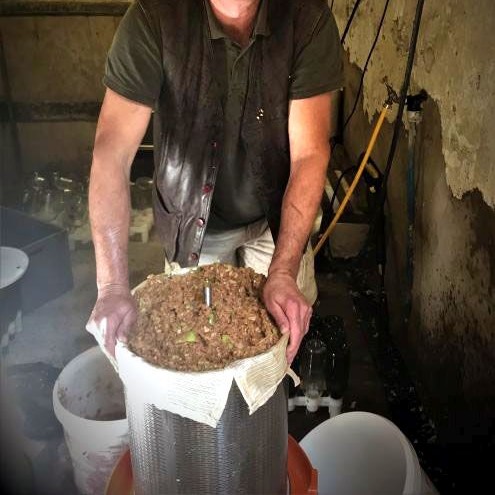
Fruit is 'scratted' (crushed) in a mill and juice extracted in a water-powered press.

It's not diluted in any way, and nothing is added.
... and then the sugar and yeasts in the juice get to work ...

Fermentation

The fruit’s natural yeast governs the fermentation process, Ciderman doesn’t use commercially produced yeast. Quite a lot of research indicates that we need a variety of different yeasts for our systems to function well. Commercial yeasts provide the kind of monoculture in our bodies we have seen harm the countryside environment so much for so long.

Fermentation begins after pressing. It mostly happens before Christmas, and during that time the juice is 'racked'. Racking is when the juice is syphoned off, leaving the sediment behind, keeping the fermentation honest. Otherwise it's entirely unfiltered.

So during fermentation the yeasts produce carbon dioxide from the fruit sugars and the cider vats bubble away to themselves. You can hear it all quietly bubbling away here.

Fermentation is over when the simple sugars have been consumed by the yeasts and turned into alcohol. The result is dry Perry or Cider.

Specific gravity is measured at the start and then again when the fermentation ends: the difference tells us the alcohol content.
and when it's ready to drink ...

Flavour

People from the West Country will be used to Dry Cider, but those from elsewhere may prefer a sweeter drink, even though they often enjoy a tonsil-tickling dry white wine: is it a matter of expectation?

Perry needs less sweetening, as pears contain sugars which aren't consumed by natural yeasts, so it's less dry. It's an unusual drink which is almost unknown these days, up till lately only kept alive in this country by Francis Showering who made the very sweet Babycham.

So, at this point there’s a difference in the way Ciders are produced, whether dry or not. It has to be remembered that the liquid still has live yeasts in it so added sugar may restart the fermentation process.

Still or Sparkling, Dry or not so Dry?

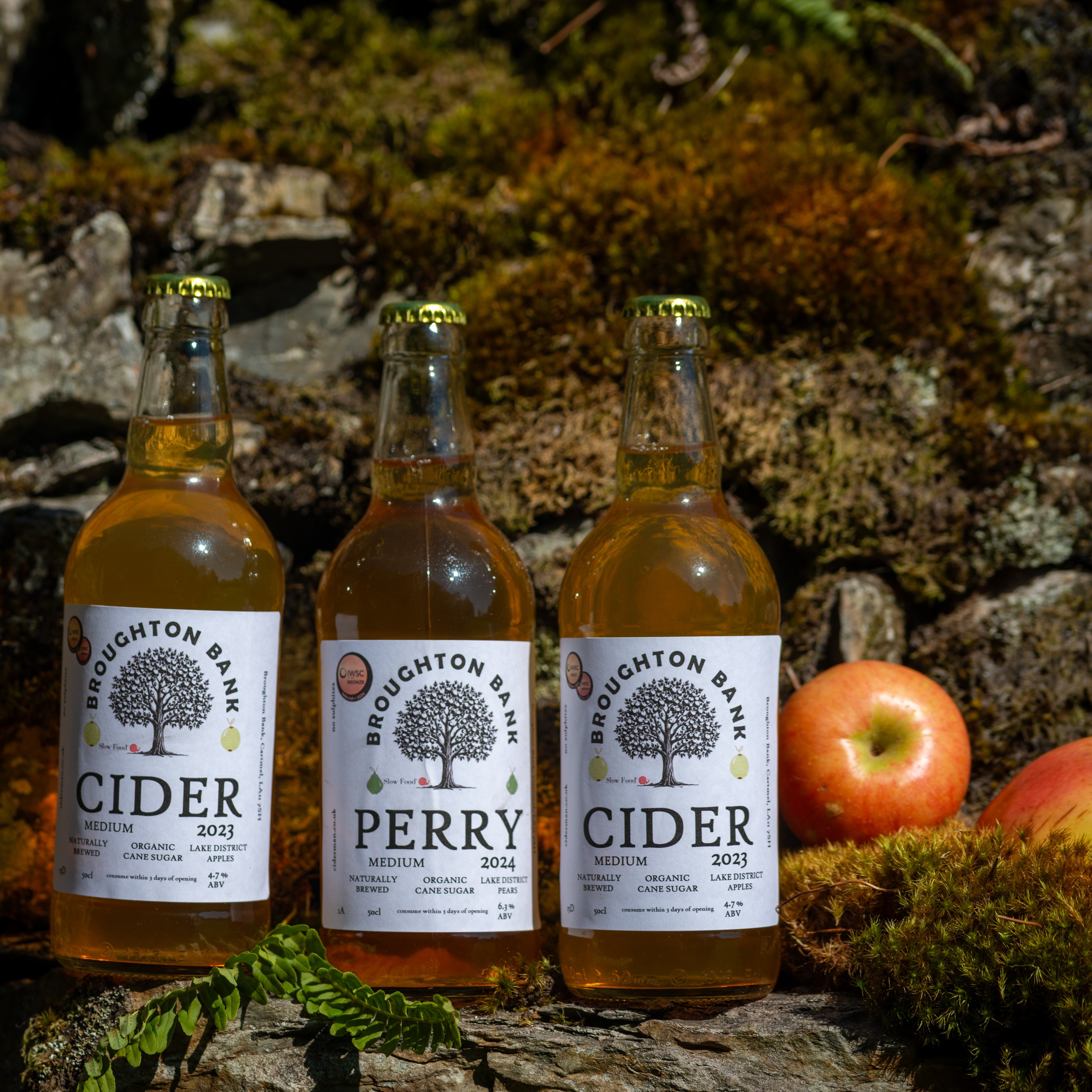
It's now time for the still dry versions to be bottled. A small amount of organic raw cane sugar may be added. Sometimes it can restart the fermentation and give a little sparkle.

More sugar may be added to produce the somewhat sweeter Medium Dry, Medium and Sweet versions. They may be sparkling or they may be dry: every batch is different. That is a good thing. Though we have been conditioned to think that all of a product must be the same, that simply isn't nature's way
Anything else added?
The added sugar can build up pressure, so the cider may be a little too fizzy on opening: open it slowly! Ciderman doesn't use sulphites to kill the yeast.

You’ll often read on wine bottle labels “Contains Sulphites”. Sulphites kill yeast in the liquid, acting as a bactericide, particularly to stop wines with added sugars becoming too fizzy. Can you guess what it does to your gut biome? Many other things are added to wine without mention: flavourings, special yeasts and sweeteners. According to EU law, drinks over 1.8% ABV do not have to show their ingredients on the label: why the secrecy? Can it be to protect the massive industrial wine trade?

Organic Raw Cane Sugar is the only thing added to Broughton Bank drinks.
then getting it ready to take away in ...

Containers

Ciderman re-uses screw top wine bottles with new caps.
All glass vessels are pressure washed and steam cleaned inside.
The old label glue can be impossible to remove, so sometimes glue residue remains.
The containers are then filled, labelled and stoppered, by hand.
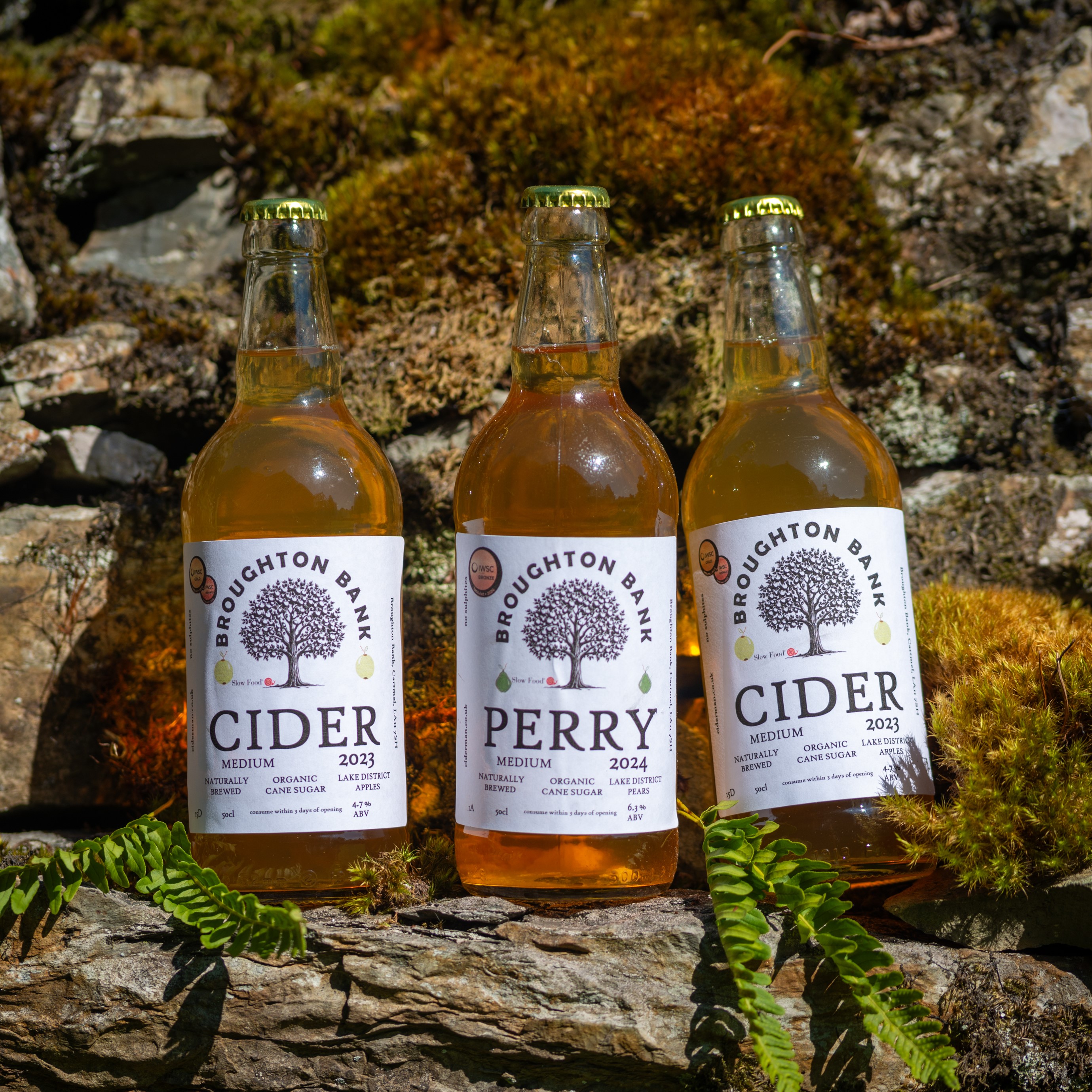
For wholesale customers reselling to the public we supply perry and cider in 50cl clear glass bottles.
Aside from glass bottles, we also sell our cider in 5 litre canisters and 'bag-in-boxes of 10 or 20 litres.
... all ready for you!

We make vinegar too

Ciderman also naturally brews both Perry and Cider vinegar, using the same principles as the Perry and Cider.

100% juice from 100% local fruit.

It's brewed with the natural vinegar ‘mother’ with all its health-giving properties.


Back to the top


Awards       How's it done?       Meet Ciderman       Home page       Vinegars       Where to find it